How Cheese Fits Into Modern Health-Conscious Menus
May 18 2026
Cheese is rarely included amongst ingredients which contribute to a healthy diet, but as modern eating trends change, it is easier to focus on healthy-eating habits and to discover new ways in which cheese can be enjoyed. We are also more open to exploring detail, and finding cheeses which are lower in fat, higher in protein and which can be paired with other ingredients to provide a more enriching balance in our diet.
The health benefits of cheese
Although most cheeses do have a higher fat and calorie content, cheese is still an ingredient rich in nutrients and a good source of protein, calcium and other essential vitamins such as B12. Nutrients such as these contribute to bone health, muscle function and general wellbeing. The low-carb and high fat content in cheese stabilises blood sugar, and cheese is known for regulating energy levels. It is therefore possible to balance these benefits out, use cheese in moderation and to exercise some discipline in retaining cheese as a main ingredient in a healthy diet. Here is how you can do it.
Managing cheese intake for healthy menu options
If we take the time to study detail and carry out some research we can find options to use cheese in a health-conscious menu. These include:
Low-fat cheeses – Like anything else, some cheeses have a lower fat content and fewer additives than others, so take some time to study packaging details and identify favourable cheeses which have a better health impact, without compromising the flavours and textures of a menu dish.
Portion control – Regulating portions are a really easy way to manage a health-conscious menu, and will also help with consistency and quality. Adding a ‘handful’ of cheese to a sauce or as a topping on a dish encourages you to be generous. Making sure you add the same amount every time can reduce cheese intake and won’t materially affect the quality of the dish. This is cost-effective and helps a kitchen manage stocks effectively also.
Quality over quantity - You can also consider using stronger flavoured cheese and reducing the portion size, with the resulting effect not being noticeably different. Essentially, any good menu should be using premium quality cheeses, with stronger and bolder flavours and aromas, and if you use smaller portions of these compared to higher quantities of more processed cheeses, you can deliver health benefits and improve the quality of your dishes too. This is a simple quality over quantity approach, and your menu descriptions will sound better too.
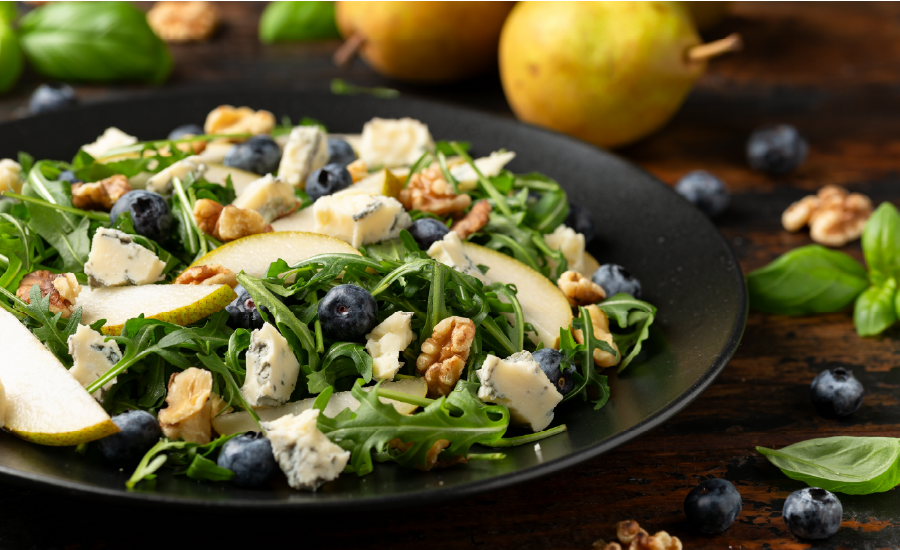
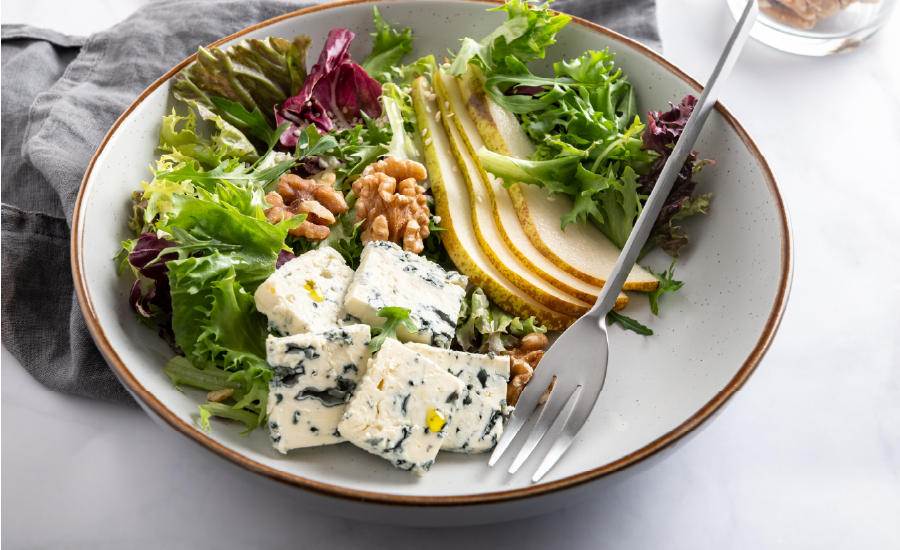
Balance – Use cheese to complement other nutrient-dense ingredients, such as fruit, vegetables, wheats and grains. Using a small portion of cheese sprinkled on top of a Quinoa or Bulger wheat salad, for example, is a great way to enjoy cheese in moderation and gain benefits from the variety of fresh salad ingredients and the overall balance of flavours, textures and nutrients.
Fresh cheese – Support the global dairy production programme by supporting local and artisan dairy producers. This ensures your cheese is fresh, has fewer additives and is less processed.
Premium quality cheeses from Sodiaal
Great quality cheeses shouldn’t be ignored when it comes to healthy eating, and denying your diners a satisfying meal by substituting-out the best possible ingredients is not doing justice to your craft. Follow these tips and source the best possible cheeses from Sodiaal and you can still present an exciting, health-conscious menu.



 VIEW ALL OUR NEWS