
May 18 2026
Although French cuisine involves a wealth of creativity and ideas and a huge variety of different concepts, the one thing that ties every dish together is the quality of ingredients. French cheese is always cited as the best in the world, and the quality of meat, fruit and vegetables is also hard to rival, but French dairy in general prides itself on being truly unique, and French butter in particular allows professional chefs to elevate a dish and bring a truly exceptional quality of cooking to the table.
To this end, many professional chefs insist on only using French butter in their kitchen and the unique qualities of this comes into its own when laminating and baking.
The standard fat content for butter used across the industry is a maximum of 80%, but for French butter this is increased to 82%. This brings a range of benefits which all combine to elevate a dish when baking using French butter:
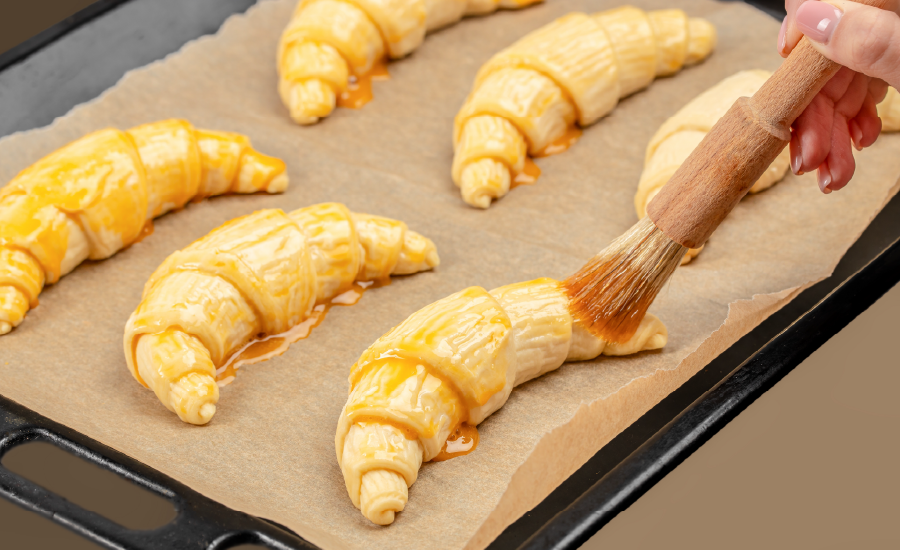
Having a richer flavour and softer texture provides a critical advantage in baking and particularly when making the kind of delicate dishes that are common in French cuisine, such as pastries, cookies and cakes in the form of croissants, macarons and madeleines. The softer texture allows for a more refined product because subtle texture is important, as well as consistency in what is produced.
Essentially, the higher fat content and lower water content of French butter provides a more satisfying texture and prevents a soggy result. A higher water content means a resulting product will be less airy and more dense, hence missing the crisp, light and fluffy quality French baking excels in. French butter is more pliable when it is cold, so the chef doesn’t need to wait for it to warm and can work with it immediately. The higher fat content allows for more elasticity and better separation of the dough layers. So not only does it help with folding dough, providing more stability and producing better lamination for products such as croissants (because the butter doesn’t melt too quickly), French butter also aids efficiency and productivity, which a professional kitchen thrives on. In addition to this, the lactic bacteria found in French butters provides a tangy flavour with a more complex profile and adds to the intoxicating aroma when a fresh product comes out of the oven.
It is also true that French butters can vary in quality according to the season they were produced in, at least in terms of taste and texture. This means a professional chef can adapt a menu to maximise these seasonal qualities and make sure they are always using ingredients that are the very best they can be. This elevates a product to a level other ingredients can’t manage. In winter, for example, they may find firmer butters which are better for lamination and pastries, while in summer the butters are slightly softer and may be better for cakes and cookies.
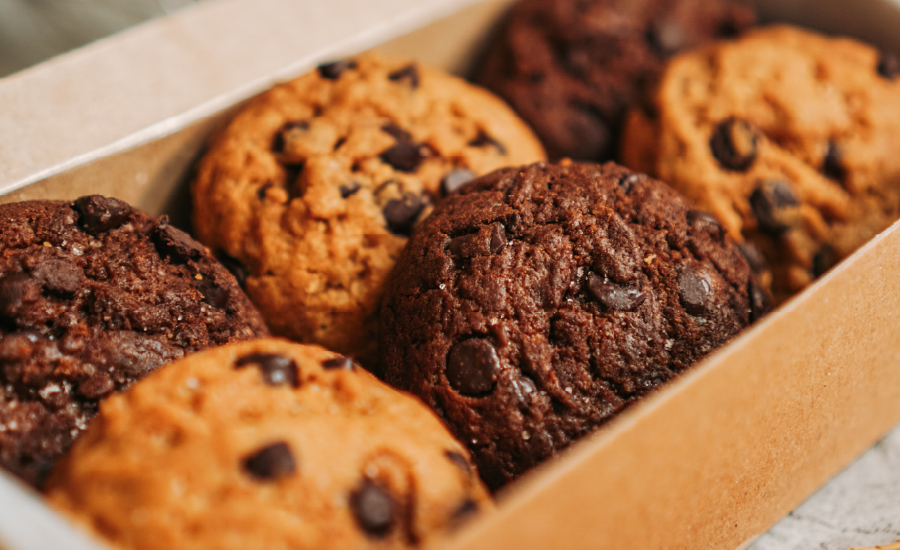
So French butter is ideal for the consistency, stability and definition a professional kitchen needs. It aids efficiency by being ready to use at any time and the higher fat content helps to produce the same exceptional results every time. You can source exceptional French butters for your kitchen from Sodiaal.


 VIEW ALL OUR NEWS