
May 18 2026
Alpine cheeses such as Comte, Raclette and Abondance are some of the most famous cheeses France produces. And very distinctive dairy products such as butter, cream and milk are also described as ‘Alpine’. Alpine products have a global reputation based mainly on where they are produced. The Alpine region itself spans eight European countries including southeast France. It is mountainous and high-altitude and is characterised by a very specific climate that produces distinctive vegetation and a very rugged terrain.
The ‘Alpine microclimate’ describes the localised climactic conditions found in the Alpine region, but is a wider term that has also been adopted to describe the microclimate found in other regions of similar description, ie. high-elevation, complex terrain and a climate that can vary dramatically over short distances. These small-scale niches in terms of moisture and thermal conditions therefore produce a very specific type of dairy product, as a result of the high level of biodiversity in the pastures which help the livestock and improve the nutrient value of resulting dairy products.
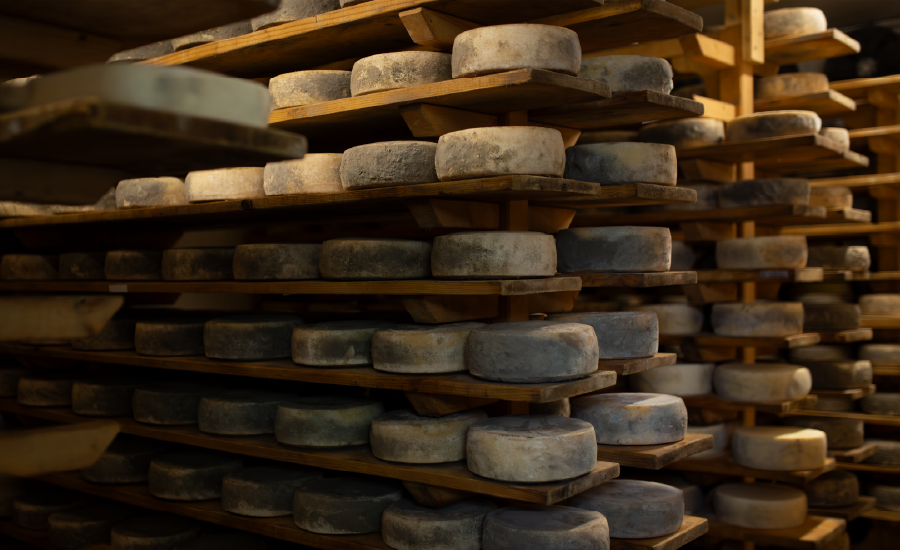
Alpine microclimates offer a variety of benefits in dairy production, based on cooler temperatures and varied altitudes. These promote conditions that influence how livestock eat and have a profound effect on what is ultimately produced. These effects include:

The dairy products which benefit from Alpine microclimates are recognised for their unique qualities, and in many cases are protected through PDO status. Alpine dairy products are known for their rich and distinctive flavour profile which comes from these incredible pastures and elevations which dairy cattle graze in. You can enjoy the unique qualities of Alpine cheeses, butters, cream and milk by exploring our ranges at Sodiaal and sourcing these truly original products for your professional kitchens.


 VIEW ALL OUR NEWS