
May 18 2026
Sauces are an underappreciated element of fine dining and often are the trigger to taste sensations and the subtle addition that elevates a dish to exceptional levels. They can be the key detail which makes a dish standout, and which transforms it from standard to superior. But sauces are hard to master and very easy to get wrong, and particularly when using cream.
A good sauce really matters in a dish because it can carry flavours and supplement the core ingredients to provide balance and to combine textures. Getting a sauce just right takes some experimentation, but once you hit the right spot, a sauce can be repeatable and scalable, as long as you can rely on good quality and consistent ingredients, and cream is a good example of that.
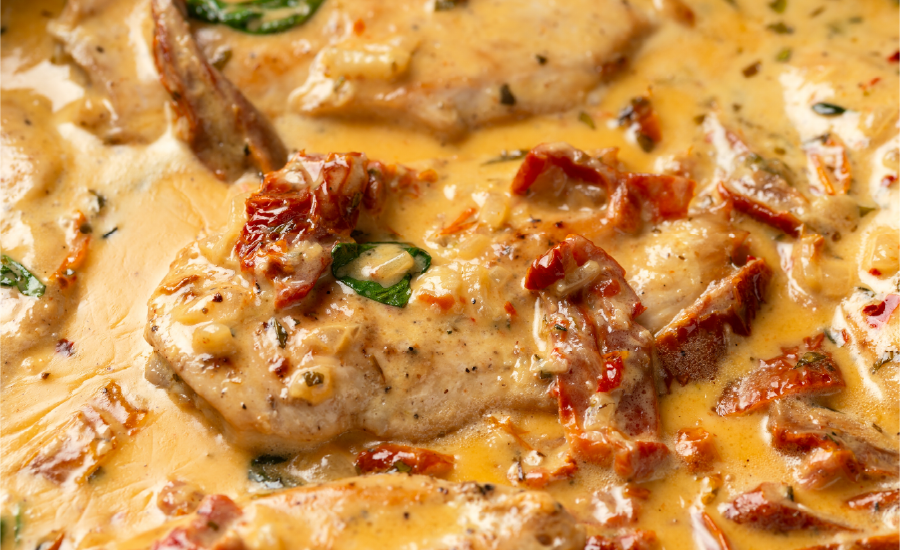
There are various examples of popular sauces in French cuisine which use cream as a key ingredient. Sauce Suprême uses a savoury chicken stock and a heavy cream with butter, while Sauce Mornay is a well-known derivative of the Bechamel sauce, a rich and creamy sauce which usually uses Gruyere cheese. White wine is a common ingredient to add to creamy sauces and works well with crème fraiche, while Dijon mustard is another popular addition to creamy sauces in French cuisine and works well with steak and poultry.
When discussing French cuisine, the high quality of the ingredients is a factor that keeps reoccurring, and using good quality cream for a sauce is therefore essential. But chefs need to do their research to find the right one and this will involve some trial and error. Common challenges include finding the right viscosity when the cream is broken down when heating. It is easy to overwork a low quality cream when making a sauce, this can cause the membranes around the fat content to break and leads to the fat coagulating. This doesn’t look or taste good and the resulting sauce can look too thin and inconsistent.
Another common problem with lower quality creams is browning the milk proteins in cream. This is a chemical reaction which can occur when heating cream and while it sometimes produces a unique and complex flavour, this is hard to control and can turn bitter, it can also turn the cream brown, which you don’t usually want. Most professional chefs use heavy cream in fine dining (with a fat content of 36-40%) and these don’t usually use stabilising additives. These types of cream reduce consistently smoothly and result in the velvety mouthfeel that you want in a creamy sauce. The structural stability also leads to a glossy appearance and helps emulsions hold-up under heat.
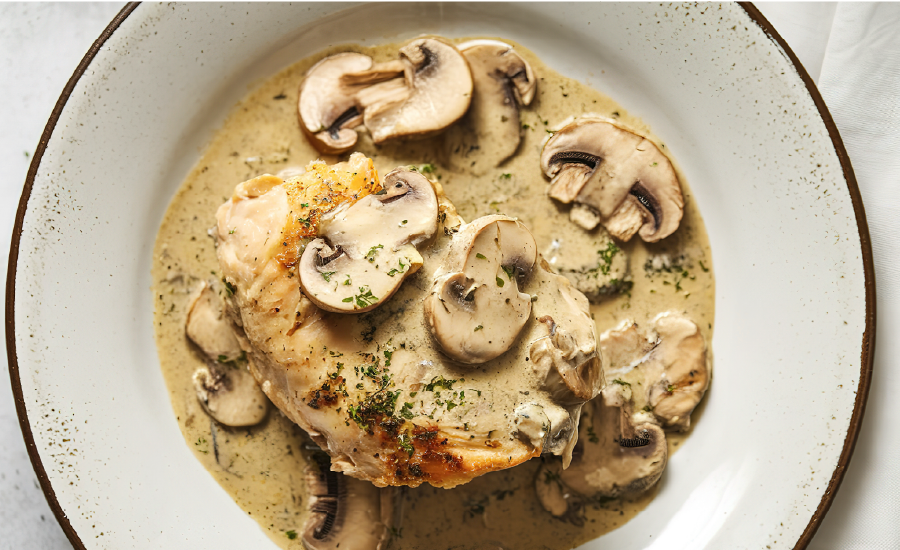
Ideally, therefore, you want a good quality heavy cream that behaves in the way you want it to for the sauce you are making. This might involve a few attempts using different creams until you hit the sweet spot. And you want a cream that is consistent and reliable and therefore produces the same sauce using the same methods every time. A lot of this comes down to the butters used in the cream and the fat content.
Better quality heavy creams offer more stability and hence are easier to work with and to predict, they will usually have a fat content of around 40% and are ideal for gourmet cooking. While these have an intense flavour they are still very authentic and can also be versatile to use with different ingredients, and in different styles and thicknesses of sauce.
Avid cream sauce fans are dedicated to certain sauces and can be highly critical when quality doesn’t quite hit the mark. Using low quality creams can lead to a sauce looking unappealing, having a bitter taste and having a thin and broken texture. But get the combinations right and you can benefit from cream acting as a natural flavour enhancer and doing a lot of the heavy lifting in making a sauce look, taste and feel great. Check out our range of creams at Sodiaal and choose the right one for you.


 VIEW ALL OUR NEWS